
The Business Impact of Workforce Shortages on Residential Construction
Workforce shortages are no longer a temporary issue in the homebuilding industry, but they are actively shaping how businesses operate, compete, and sustain. Across the industry, employers are struggling to find skilled workers. This leads to delayed projects, rising hiring costs, and many missed opportunities. Not only is hiring an issue right now, but companies are finding a long-term business sustainability challenge.
Several factors are contributing to this ongoing workforce gap. Experienced workers are aging out of this industry, with fewer younger individuals entering the trades. The demand for skilled labor continues to grow, and this creates a widening gap between jobs and qualified workers.
For many, workforce shortages are more than just inconvenient, but they directly affect timelines and profitability. With fewer workers available, this can create scheduling challenges across projects. Not only that, but companies are often pressured to offer higher wages, pay overtime, and invest in hiring efforts just to maintain operations.
Some businesses are also turning down certain projects just because they don’t have the workforce to support them. There needs to be a shift towards a future-growth-oriented mindset that keeps operations running smoothly in industry. Rather than just time and time again relying on short-term hiring, many employers are starting to look into taking long-term approaches.
This mindset shift focuses on developing talent internally, instead of competing with other companies for a limited pool of skilled workers. This reflects a growing understanding that workforce stability doesn’t come from constant hiring but comes from building up the workers employers already have.
Training programs allow companies to develop employees with the skills that they need while also creating a stronger workforce over time. Besides skill development, training can also improve engagement and retention, building healthier company-to-employee relationships. In this competitive market, companies that train their employees are better positioned to grow and succeed.
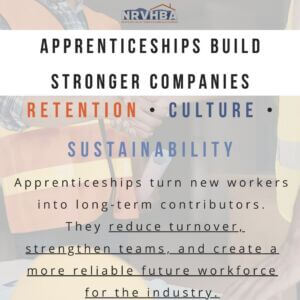
Apprenticeships are becoming a valuable solution as they provide a structured way for individuals to enter the workforce while gaining hands-on experience and the skills needed for success. Not only that, but apprenticeships offer a way to develop talent that aligns with specific needs.
Looking ahead, these workforce shortages are not going to go away anytime soon. However, in an industry that is defined by the demand for skilled workers, long-term success will depend on the ability to develop and sustain talent.
Take a look at our Apprenticeship Connections Program page for more information on how your business can adapt to meet today’s challenges.